
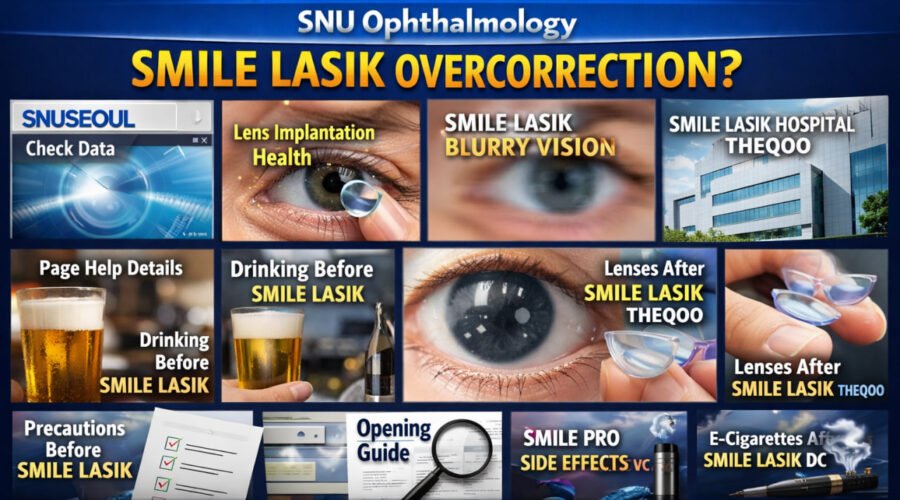
Introduction to SMILE LASIK Preparation and Safety
Preparing for vision correction surgery involves more than simply scheduling a procedure. Patients considering SMILE LASIK must understand both pre-surgery precautions and post-operative recovery strategies to ensure optimal outcomes.
Leading ophthalmologists at SNU안과 and 에스앤유안과 emphasize that careful preparation significantly improves surgical success rates. Clinics such as snuseoul provide detailed consultations about SMILE Pro technology, recovery expectations, and alternative procedures including lens implantation surgery.
Many patients search for information online using terms like 스마일라식 전 주의사항 or 스마일라식 주의사항 to understand what they should do before undergoing laser eye surgery. Proper preparation helps reduce risks and supports faster healing.
Key Precautions Before SMILE LASIK
Before surgery, ophthalmologists conduct several tests to confirm that a patient is a suitable candidate. These examinations evaluate corneal thickness, eye pressure, and retinal health.
Patients are often advised to stop wearing contact lenses for several days before their examination. Contact lenses can temporarily alter corneal shape, which may affect the accuracy of pre-surgery measurements.
Alcohol consumption is another factor patients frequently ask about online through the phrase 스마일라식 전 음주. Doctors recommend avoiding alcohol before surgery because dehydration may affect tear stability and eye comfort.
Patients should also get adequate rest the night before surgery and avoid heavy eye makeup or cosmetic products around the eyes. These precautions help maintain a sterile surgical environment.
Understanding the SMILE LASIK Surgical Process
The SMILE LASIK procedure itself is relatively quick and usually takes less than 20 minutes. Using a femtosecond laser, the surgeon creates a small lenticule within the cornea which is removed through a tiny incision.
Because the procedure does not involve creating a large corneal flap, the structural integrity of the cornea remains stronger compared with traditional LASIK. This contributes to faster healing and reduced risk of dry eye symptoms.
Patients researching procedures online sometimes browse forums using phrases like 스마일라식 병원 더쿠 or help check see when comparing clinics and surgical techniques. While community experiences can provide insights, professional consultations remain the most reliable method for evaluating surgical options.
Immediate Recovery After SMILE LASIK
Recovery begins immediately after surgery. Most patients experience mild discomfort, light sensitivity, or blurred vision during the first few hours.
Doctors usually prescribe antibiotic and anti-inflammatory eye drops to prevent infection and control inflammation. Artificial tears are also recommended to keep the eyes hydrated.
Many people research recovery experiences online through keywords like 스마일라식 후 회복 or next help full to understand how quickly vision improves. Most patients notice clearer vision within a day or two, although minor fluctuations may occur during the first weeks.
Resting the eyes and avoiding excessive digital screen use during the first days supports faster healing.
Activities to Avoid During Early Recovery
Following surgery, certain activities should be avoided temporarily to protect the healing cornea. Water exposure from swimming pools, hot tubs, or saunas should be avoided during the first weeks.
Patients also ask about vaping or smoking after surgery, often referencing discussions like 스마일라식 후 전자담배 디시. Eye specialists recommend avoiding these habits during recovery because smoke or vapor can irritate the eyes and slow healing.
Similarly, physical activities involving direct contact should be postponed. Discussions such as 스마일라식 복싱 디시 highlight concerns about returning to combat sports. Doctors typically advise waiting until the eye has fully stabilized before engaging in high-impact sports.
Protective sunglasses can help reduce sensitivity to sunlight during the early recovery phase.
Monitoring Vision Changes and Possible Symptoms
During recovery, patients may occasionally notice minor visual changes such as halos, glare, or dryness. These symptoms are usually temporary and gradually improve.
Some individuals may also become more aware of floaters, commonly described in online searches as 스마일라식 비문증. Although floaters are generally unrelated to corneal surgery, patients should report any sudden changes to their ophthalmologist.
Another topic occasionally discussed is 스마일라식 과교정, which refers to overcorrection of vision. Modern laser technology and careful measurements make this complication rare, but regular follow-up visits allow doctors to monitor visual stability.
Educational resources such as doc page or guide extra go materials provided by clinics help patients understand these symptoms and recovery expectations.
Long-Term Eye Care After SMILE LASIK
Even after vision improves, maintaining good eye health remains important. Regular eye examinations allow ophthalmologists to monitor corneal stability and detect any potential issues early.
Healthy lifestyle habits also contribute to long-term vision quality. Adequate sleep, balanced nutrition, and regular blinking during screen use help maintain tear film stability.
Clinics often provide online patient information sections labeled 페이지 도움말 상세 or 내용 보기 전체보기 where individuals can access educational resources about surgical procedures and recovery guidelines.
SMILE LASIK continues to be one of the safest and most effective vision correction procedures available today. With careful preparation, responsible recovery practices, and ongoing eye care, patients can enjoy long-lasting visual clarity and improved quality of life.